
Lab-Tested Products
All products are lab-tested by third-party for purity.
19+ Years Only
Our websites only caters for adults 19+ years of age.
Discreet Delivery
Anonymous delivery & drop-offs anywhere in Canada.
Secure Payments
Pay with Cryptocurrencies like Bitcoin, USDT, ETH, USDC, etc.
Cocaine in Canada: Prevalence of Cocaine Use in Canada
Cocaine remains one of the most commonly used illegal stimulants in Canada, despite lower overall use than alcohol or cannabis. According to Health Canada’s 2025 Canadian Substance Use Survey (CSUS), 3% of Canadians aged 15+ reported past-year use, while 12% reported lifetime use. These figures come from over 36,000 respondents across all ten provinces, making it the nation’s most comprehensive substance use snapshot.
Age and Mental Health Correlations
Cocaine use is not evenly distributed across the population. While young adults (aged 15–24) continue to report higher usage rates than older demographics, the 2025 survey recorded a slight decline in this age group compared to 2023.
Health Canada also identified a strong link between cocaine use and mental health. Past-year use was significantly higher among Canadians who rated their mental health as poor or fair compared to those with positive mental health ratings.
Regional Trends and Public Health Response
While provincial and territorial patterns vary, the national data confirms that cocaine remains a persistent issue affecting communities nationwide. These findings directly inform federal and provincial strategies focused on prevention, harm reduction, addiction treatment, and public health education.
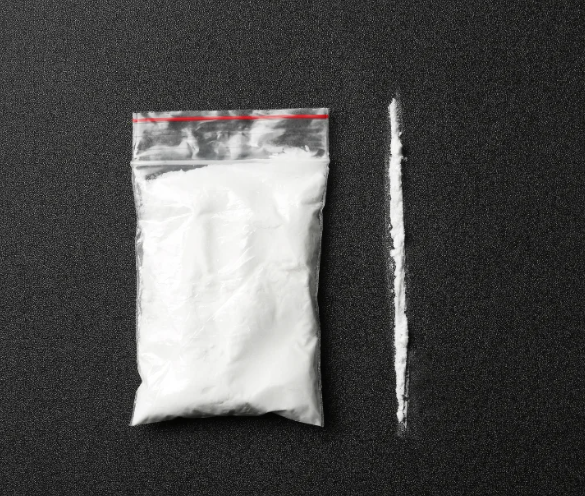
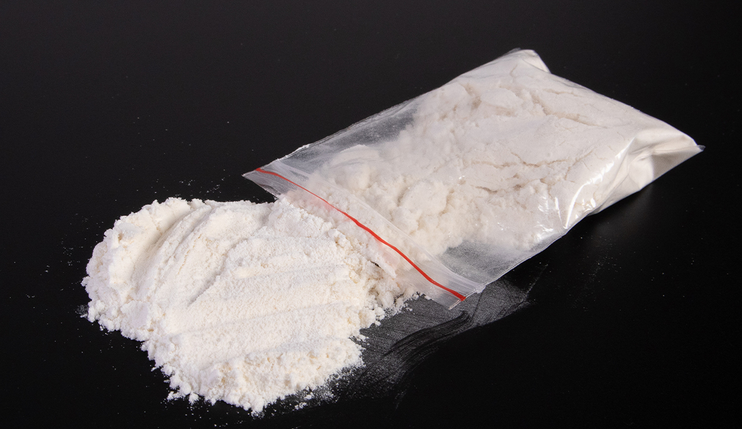
Best Sellers – Cocaine for Sale in Canada
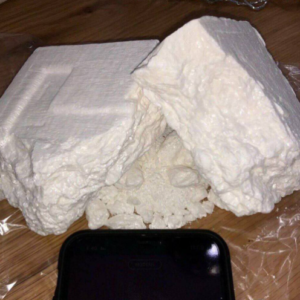
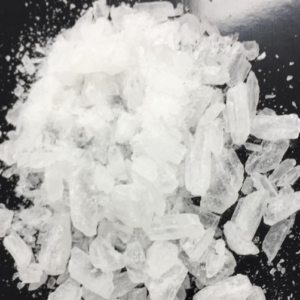
Cocaine Laws in Canada
Cocaine is a Schedule I substance under Canada’s Controlled Drugs and Substances Act (CDSA)—the strictest category for controlled substances. This means that buying cocaine in Canada, possession, production, sale, importation, and exportation are generally prohibited unless explicitly authorized by federal law.
Canadian law distinguishes between possession and more serious offences. Simple possession is prohibited and can lead to imprisonment, while trafficking, production, or importation/exportation carry substantially harsher penalties. Sentencing depends on the nature of the offence and the circumstances of the case, though Canadian courts operate within the framework established by the CDSA.
The legal framework is evolving. In December 2025, Health Canada published new Controlled Substances Regulations, set to replace the existing regulations on October 1, 2026. These updates reflect Canada’s ongoing effort to modernize its approach to controlled substances.
For authoritative guidance, consult the Controlled Drugs and Substances Act directly, along with official resources from Justice Canada and Health Canada. Provincial and territorial policies may also influence how federal drug laws and health services are implemented locally.
Where to Get Cocaine in Canada
It is crucial to understand that buying cocaine in Canada is illegal and extremely dangerous. As a Schedule I substance, its sale and possession carry severe penalties, including imprisonment. Beyond the legal ramifications, there is no quality control; online products are often adulterated with lethal substances like fentanyl. This exposes users to overdose, poisoning, and long-term health crises. There are no safe ways to buy cocaine online in Canada and no legal exemptions for recreational use. Protect your future, health, and freedom by rejecting these dangerous activities and seeking help if struggling with addiction.
Trending Topic: Where to Get Cocaine in Toronto
Shop Our Products

History of How to Get Cocaine in Canada
Cocaine was once a legal ingredient in everyday commercial products and medicines. Today, it is a Schedule I substance under the Controlled Drugs and Substances Act (CDSA). How did Canada get here? The answer lies in a century-long shift from widespread availability to strict criminal prohibition.
Federal controls began tightening in the early 20th century as health concerns over non-medical use grew. A major turning point came in 1961, when the Narcotic Control Act formally placed cocaine under federal restrictions. This framework remained in place for over three decades.
In 1997, Canada replaced the Narcotic Control Act and relevant sections of the Food and Drugs Act with the Controlled Drugs and Substances Act (CDSA). This created a single, comprehensive legal framework for all controlled substances and drug-related offences—a structure that still governs cocaine today.
Enforcement Trends and Recent Surges
Cocaine-related charges spiked dramatically in the late 1970s and 1980s, peaking at over 12,000 adults charged in 1989, before stabilizing throughout the 1990s. However, recent data suggests a renewed upward trend. Health Canada’s Drug Analysis Service recorded more cocaine identifications in 2025 than in any year since 2012—a clear signal that Canada’s cocaine landscape is evolving once again.
Trending Update: Where to buy Crack Cocaine in Canada
Social Impact of Cocaine in Canada
Cocaine use imposes significant social and economic burdens on Canadian communities. Healthcare systems face increased emergency visits and treatment demands, particularly in provinces like British Columbia and Ontario, where cocaine is frequently linked to the toxic drug supply.
The criminal justice system also bears substantial costs, with thousands of charges annually. Beyond institutional strain, cocaine use contributes to family disruption, housing instability, and lost productivity—disproportionately affecting marginalized communities, including Indigenous populations.
Health Canada and the Public Health Agency of Canada continue to monitor these patterns, informing harm reduction, prevention, and treatment efforts across federal, provincial, and municipal levels.
Hot Topic: Crystal Meth in Canada
Treatments for Cocaine Addiction in Canada
Cocaine addiction treatment in Canada combines professional care with community support. Health Canada emphasizes that no single approach works for everyone. Care may include counselling, cognitive-behavioural therapy, withdrawal management, peer support, and residential rehabilitation.
Addressing Root Causes
Effective treatment also addresses underlying factors—mental health, housing, relationships, and social circumstances—that contribute to substance use.
Accessing Care
Services are delivered through provincial and territorial programs, federally supported initiatives, and Rapid Access Addiction Medicine (RAAM) clinics offering low-barrier entry. Health Canada recommends consulting a healthcare professional to determine appropriate care.
Recovery is personal. Returning to treatment after a setback remains a vital part of the journey.